The Art of Photography: Celebrating Craftsmanship and History

Photography is more than just a means of capturing moments; it is an art form that intertwines craftsmanship with a rich history. From the early days of the camera obscura to the digital age, photography has evolved dramatically, yet its core essence remains the same: the desire to capture and convey the beauty of the world around us. This blog post will explore the artistry of photography, its historical significance, and the craftsmanship involved in creating stunning images.
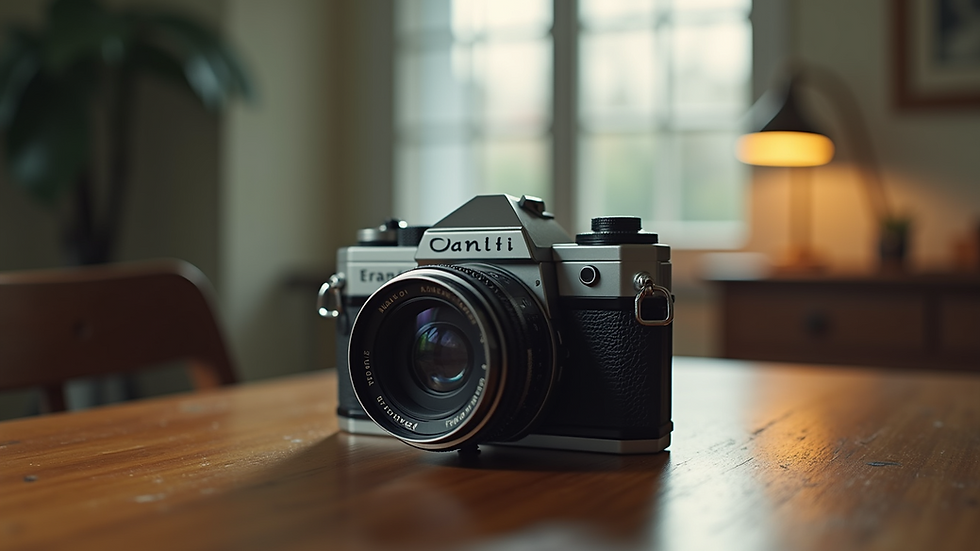
The Evolution of Photography
Early Beginnings
The journey of photography began in the early 19th century with the invention of the camera obscura, a device that projected images of the outside world onto a surface. This concept laid the groundwork for the development of photographic techniques. In 1826, Joseph Nicéphore Niépce captured the first permanent photograph, known as "View from the Window at Le Gras." This marked a pivotal moment in history, as it demonstrated the potential of capturing reality through a lens.
The Birth of Film Photography
The introduction of film in the late 19th century revolutionized photography. George Eastman founded Kodak in 1888, making photography accessible to the masses with the slogan, "You press the button, we do the rest." This democratization of photography allowed people from all walks of life to document their experiences, leading to a surge in personal and artistic expression.
The Digital Revolution
The late 20th century saw the rise of digital photography, which transformed the way images are captured and shared. Digital cameras allowed for instant feedback, enabling photographers to experiment and refine their techniques without the constraints of film. The advent of smartphones further accelerated this trend, making photography an integral part of everyday life.
The Craftsmanship Behind Photography
Understanding Composition
At the heart of photography lies the art of composition. A well-composed photograph draws the viewer's eye and conveys a story. Key elements of composition include:
Rule of Thirds: Dividing the frame into a grid of nine equal parts helps create balance and interest.
Leading Lines: Using natural lines in the scene guides the viewer's gaze toward the subject.
Framing: Incorporating elements in the foreground can create depth and context.
Mastering Lighting
Lighting is a crucial aspect of photography that can dramatically affect the mood and quality of an image. Photographers often work with natural light, but understanding artificial lighting techniques is equally important. Here are some tips for mastering lighting:
Golden Hour: The hour after sunrise and before sunset provides soft, warm light that enhances the beauty of subjects.
Backlighting: Positioning the light source behind the subject can create a dramatic silhouette effect.
Diffusion: Using diffusers or reflectors can soften harsh light and reduce shadows.
The Importance of Post-Processing
Post-processing is an essential part of the photographic process. It allows photographers to enhance their images and bring their creative vision to life. Common post-processing techniques include:
Color Correction: Adjusting colors to achieve a more accurate representation of the scene.
Cropping: Refining composition by removing unnecessary elements from the frame.
Sharpening: Enhancing details to make the image more visually striking.
The Historical Significance of Photography
Documenting History
Photography has played a vital role in documenting historical events and cultural shifts. From the haunting images of the Civil War to the powerful photographs of the Civil Rights Movement, photographers have captured moments that shaped society. These images serve as visual records, allowing future generations to understand and reflect on the past.
Artistic Expression
Beyond documentation, photography has evolved into a powerful medium for artistic expression. Renowned photographers like Ansel Adams and Cindy Sherman have pushed the boundaries of the art form, using their work to explore themes of identity, nature, and society. Photography exhibitions and galleries around the world showcase the diverse perspectives and creativity of contemporary photographers.
The Impact of Technology
Advancements in technology have continually influenced the art of photography. The introduction of digital cameras, editing software, and social media platforms has transformed how photographers share their work and connect with audiences. Today, photographers can reach global audiences instantly, fostering a vibrant community of artists and enthusiasts.
Celebrating the Craft of Photography
Photography as a Hobby
For many, photography is a fulfilling hobby that encourages creativity and exploration. Whether capturing landscapes, portraits, or street scenes, photography allows individuals to express themselves and document their experiences. Here are some tips for those looking to delve into photography as a hobby:
Start with What You Have: You don't need an expensive camera to begin. A smartphone can be a powerful tool for capturing images.
Experiment: Try different styles and techniques to discover what resonates with you.
Join a Community: Engaging with fellow photographers can provide inspiration and valuable feedback.
Professional Photography
For those who wish to pursue photography as a career, understanding the business side is crucial. Building a portfolio, networking, and marketing your work are essential steps in establishing a successful photography career. Here are some tips for aspiring professional photographers:
Create a Strong Portfolio: Showcase your best work to attract potential clients.
Network: Attend photography events and connect with other professionals in the industry.
Stay Current: Keep up with trends and advancements in photography to remain competitive.
Conclusion
Photography is a captivating blend of craftsmanship and history, allowing individuals to capture and share their unique perspectives. From its humble beginnings to its current status as a powerful art form, photography continues to evolve while remaining rooted in its core principles. Whether as a hobby or a profession, the art of photography invites us to explore the world around us and celebrate the beauty of life through the lens.
As you embark on your photographic journey, remember to embrace creativity, experiment with techniques, and connect with fellow enthusiasts. The world is full of stories waiting to be captured—grab your camera and start telling yours.


Comments